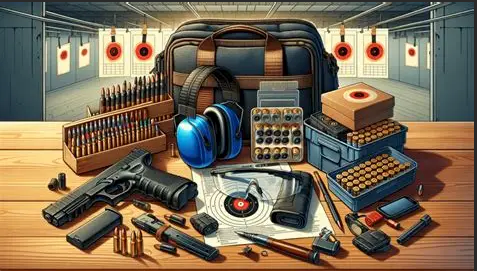
Shooting in the daytime and shooting at night may use the same firearm and the same fundamentals, but the experience, challenges, and required skills are dramatically different. Understanding how lighting conditions affect accuracy, perception, and safety helps shooters train more effectively and prepare for real‑world scenarios.
Daytime Shooting: Clear Visibility, Faster Learning
Daylight provides the most forgiving environment for shooters. With natural light illuminating the target, surroundings, and sights, shooters can focus on refining fundamentals without visual strain.
Advantages of Day Shooting
Ideal for beginners building foundational skills
Maximum visibility of targets, sights, and background
Easier identification of threats or training objectives
Faster sight acquisition due to clear contrast
Better depth perception, aiding accuracy
Challenges
- Bright sunlight can cause glare
- Heat can affect comfort and performance
- Shadows may distort sight pictures depending on angle
Daytime shooting is the foundation of marksmanship. It’s where shooters build confidence, consistency, and muscle memory before advancing to low‑light environments.
Night Shooting: Realistic, Demanding, and Skill‑Intensive
Most defensive encounters occur in low‑light conditions, making night shooting an essential part of advanced training. Reduced visibility forces shooters to rely on tools, technique, and heightened awareness.
Advantages of Night Shooting
- Real‑world realism for defensive scenarios
- Training with lights and optics improves equipment proficiency
- Enhanced focus on muzzle discipline and target identification
- Develops adaptability under stress and uncertainty
Challenges
Reduced visibility makes target identification harderSlower sight acquisition without proper illuminationIncreased reliance on weapon lights, handheld lights, or night sightsDepth perception changes, affecting accuracyGreater safety demands due to limited visibility
Tools That Make Night Shooting Effective
Weapon‑Mounted Lights
Illuminate the target and allow two‑handed shooting.
Handheld Lights
Useful for searching, identifying, and engaging without flagging everything with the muzzle.
Night Sights / Optics
- Tritium sights glow in low light
- Red‑dot optics remain visible regardless of lighting
Lasers
Assist with aiming when sight alignment is difficult.
Skill Differences: What Changes at Night?
| Skill | Daytime | Nighttime |
|---|---|---|
| Target Identification | Easy | Requires light discipline |
| Sight Picture | Clear | May need illuminated sights |
| Accuracy | Higher | Can decrease without proper lighting |
| Situational Awareness | Natural | Must be intentionally heightened |
| Speed | Faster | Slower but more deliberate |
Night shooting isn’t about speed—it’s about control, clarity, and decision‑making.