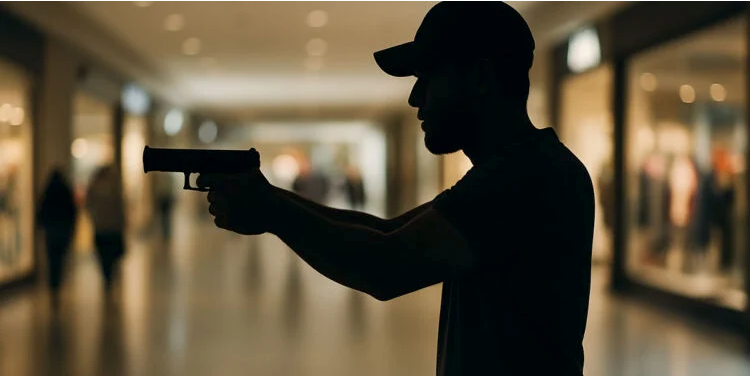
Mass shootings continue to be one of the most pressing public safety challenges in the United States. According to the Gun Violence Archive, over 340 mass shootings had already occurred by October 2025, resulting in hundreds of deaths and thousands of injuries. These incidents range from school shootings to attacks in public spaces such as churches, shopping centers, and community events. For example, in November 2025, a tragic shooting at Annunciation Catholic Church claimed the lives of two children and injured more than 20 others. Such events highlight the devastating impact of gun violence on communities nationwide.
The Scale of the Problem
- 2025 statistics: As of October 31, 2025, 374 mass shootings had been recorded, with 366 people killed and 1,667 wounded.
Nevada, like many states, has faced the tragic reality of mass shootings. The most infamous incident was the 2017 Las Vegas Route 91 Harvest Festival shooting, where a gunman opened fire from a hotel window, killing 60 people and injuring hundreds. It remains the deadliest mass shooting in modern U.S. history. That event reshaped conversations in Nevada about preparedness, law enforcement response, and the role of armed citizens.
Nevada’s CCW Landscape
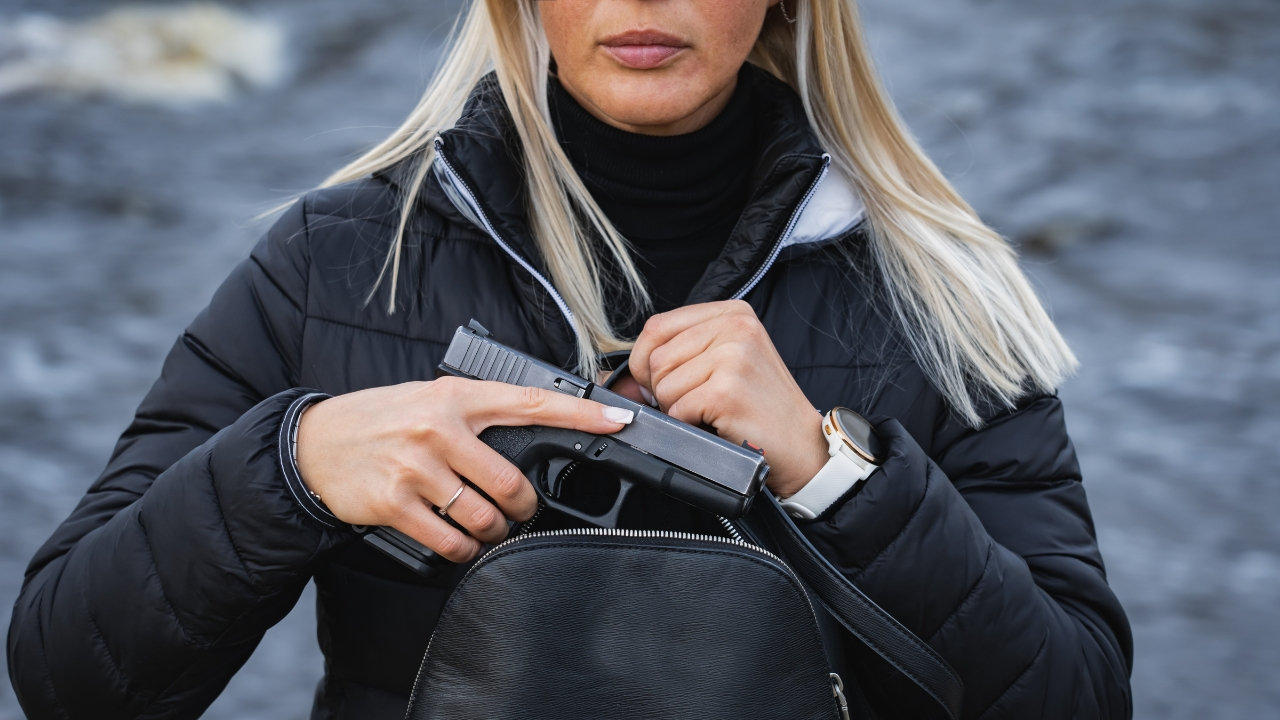
Nevada is a shall-issue state for concealed carry permits (CCW). This means that residents who meet the requirements — including completing certified training are legally allowed to carry concealed firearms. With thousands of Nevadans licensed, the state has a significant population of armed citizens who could potentially intervene in active shooter situations.
Training providers such as Condition Zero Tactical in Las Vegas emphasize not only the legal aspects of CCW but also tactical readiness. Their courses prepare individuals to act responsibly under pressure, which is critical in scenarios where seconds matter.
Armed Citizens Intervening in Nevada
While the Route 91 tragedy highlighted the limits of civilian intervention in large-scale attacks, there have been smaller incidents in Nevada where armed citizens played a role in stopping or deterring violence. For example:
- In Las Vegas, armed security and trained civilians have intervened in attempted robberies and assaults, preventing escalation.
- Nevada law allows for armed self-defense in public spaces, and concealed carriers have occasionally been credited with stopping crimes before police arrived.
These examples underscore the importance of training and discipline. Simply carrying a firearm is not enough — knowing how to act decisively and safely is what makes the difference.
The Debate in Nevada
Nevada sits at the crossroads of the national debate. On one hand, the state has strong gun culture and training infrastructure, with ranges and CCW classes widely available. On the other, the memory of the Las Vegas shooting continues to fuel calls for stricter gun laws and expanded public safety measures. This tension reflects the broader national conversation: should armed citizens be encouraged as a line of defense, or should policy focus on limiting access to firearms altogether?
Moving Forward
For Nevada, the path forward likely involves a balanced approach:
- Continued emphasis on professional CCW training to ensure armed citizens act responsibly.
- Investment in law enforcement readiness and coordination with civilian responders.
- Ongoing community dialogue about safety, rights, and responsibilities.
Final Thoughts
Nevada’s experience with mass shootings has been both tragic and instructive. The state’s strong CCW framework and training culture mean that armed citizens are part of the safety equation. While they cannot prevent every tragedy, their presence — combined with law enforcement and community preparedness offers a measure of resilience in the face of violence.